
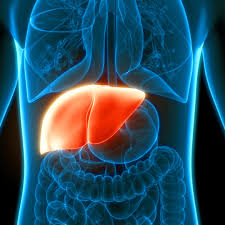
Non-alcoholic fatty liver disease (NAFLD) has become one of the most common liver conditions in the United States—affecting up to 1 in 3 adults. Often silent in its early stages, NAFLD can progress to inflammation, scarring, and even life-threatening liver damage. The good news? Research consistently shows that bariatric surgery is one of the most effective treatments for reversing fatty liver disease, restoring liver function, and halting long-term progression.
At Weight Loss Specialists of North Texas, we’ve seen first-hand how transformative bariatric surgery can be—not only for weight loss, but for liver health, metabolic health, and overall longevity.
What Is Fatty Liver Disease (NAFLD)?
Non-alcoholic fatty liver disease occurs when excess fat builds up within the liver. Over time, this can cause:
- Inflammation (steatohepatitis or NASH)
- Fibrosis (liver scarring)
- Cirrhosis
- Increased risk of liver cancer
NAFLD is closely linked to obesity, insulin resistance, high triglycerides, and type 2 diabetes—all conditions that bariatric surgery improves dramatically.
How Bariatric Surgery Reverses Fatty Liver Disease
Bariatric surgery isn’t just a weight-loss procedure—it’s a metabolic procedure. It triggers a series of powerful hormonal, metabolic, and inflammatory changes that directly improve liver health.
1. Significant and Sustained Weight Loss
Even a 5–10% reduction in body weight can improve fatty liver, while 20–30% excess weight loss—common after bariatric surgery—can lead to complete reversal.
- Fat inside the liver decreases rapidly
- Liver enzymes normalize
- Inflammation begins to resolve within weeks
2. Improved Insulin Sensitivity
Insulin resistance is one of the leading drivers of NAFLD.
Bariatric surgery improves insulin sensitivity almost immediately—even before major weight loss occurs—resulting in:
- Lower liver fat storage
- Reduced inflammation
- Better blood sugar control (often eliminating type 2 diabetes)
3. Reduction in Systemic Inflammation
Obesity creates a chronic inflammatory state that damages the liver.
After bariatric surgery:
- Pro-inflammatory markers drop
- Liver cells regenerate more effectively
- Progression toward fibrosis slows or stops
4. Decreased Visceral Fat
Visceral fat (fat around the organs) is directly associated with liver fat accumulation. Bariatric surgery reduces visceral fat much more effectively than diet alone.
5. Metabolic Hormone Reset
Procedures such as gastric sleeve and gastric bypass alter hunger and metabolic hormones including GLP-1, ghrelin, and leptin. These hormonal shifts:
- Improve fat metabolism
- Reduce liver fat deposition
- Help patients maintain long-term weight loss and liver health
What the Research Shows
Clinical research overwhelmingly supports bariatric surgery as one of the most effective treatments for NAFLD and NASH.
- Up to 90% of patients show improvement in fatty liver after surgery.
- Up to 70% experience resolution of NASH (inflammation).
- Fibrosis (scarring) improves in more than 60% of patients, even in severe cases.
- Surgery drastically lowers the long-term risk of cirrhosis and liver failure.
In many cases, bariatric surgery not only stops liver disease—it reverses it.
Which Bariatric Procedures Are Best for Fatty Liver Disease?
Several procedures have demonstrated strong benefits for NAFLD, including:
Gastric Sleeve (Sleeve Gastrectomy)
- Significant weight loss
- Major reductions in visceral fat
- Strong improvement in insulin resistance
- Excellent outcomes for fatty liver reduction
Gastric Bypass (Roux-en-Y)
- Greater metabolic benefits
- Significant resolution of diabetes
- Often used for patients with more advanced liver disease
Duodenal Switch / SADI
- Highest degree of excess weight loss
- Dramatic metabolic improvements
- Often used for patients with severe obesity or metabolic disease
Dr. Ayoola is one of the region’s leading surgeons in all three procedures and can help determine which is safest and most effective for your liver health.
What Patients Can Expect After Surgery
Most patients begin to experience improvements in liver function within 6–12 weeks, with continued improvement over the next 12–24 months.
You may notice:
- Increased energy
- Reduced abdominal discomfort
- Improved blood sugar and cholesterol
- Lower or normalized liver enzyme levels
Combined with nutrition support, exercise, and ongoing follow-up care, bariatric surgery provides a powerful path to reversing fatty liver disease. Ready to get started? Send us a contact request form or call us at 940.514.8105. We promise no blame, no shame, just compassionate care that gets results.


